

Disclaimer
The information given on this website is for educational purposes only. Information and statements regarding
dietary supplements and natural products have not been evaluated by the Food and Drug Administration (FDA)
and are not intended to diagnose, treat, cure, or prevent any disease. . . . See Full Disclaimer
Village Healthcare
What Every Family in West Africa Should Know About Health and Healing

Leishmaniasis (Tropical Sores)
When we talk about Leishmaniasis (pronounced “leesh-
There are other types of Leishmaniasis (which are even more serious than the cutaneous form) but cutaneous is the most common type of Leishmaniasis that is seen in village healthcare, and the one that this article is specifically addressing.
Leishmaniasis is considered to be a tropical disease, because it is primarily found in tropical and subtropical climates. We say “primarily” because it has been seen in other areas of the world as well, but most of the cases have been found in tropical locations.
Other Names
Depending on where you live, you may recognize this infection by another name. Leishmaniasis has also been called: tropical sores, Delhi boil, espundia, forest yaws, uta, and chiclero ulcer.
A more serious form of the disease is called visceral leishmaniasis, kala azar, and dumdum fever. And still another form of leishmaniasis is called mucocutaneous leishmaniasis, or mucosal.
What is Leishmaniasis?
Leishmaniasis is a parasite infection that causes severe ulcers (or open wounds) on the skin, which are often called tropical sores.
These tropical sores appears on the body after a bite from a sand fly. They tropical sore starts out as just a small bump at the bite area. The small bump begins to swell and the swelling eventually becomes an open sore that usually contains pus. In the days and weeks that follow, the open sore continues to grow bigger as the parasite eats away at the flesh.
These tropical sores often have raised edges around the sides of the ulcer that may become hard, crusted, or form scabs. The center of the sore is usually sunken in, appearing to be deeper than the outside edges of the sore.
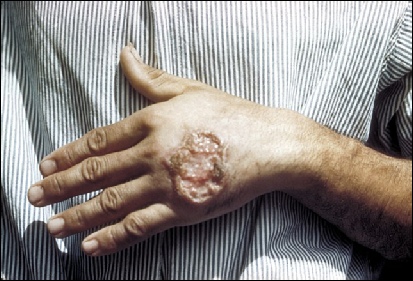
Another defining feature of the Leishmaniasis sores, is that the surface is not at all smooth – the entire sore looks very bumpy and rough, with what appears to be little bumps and blisters inside of the wound.
Symptoms
Many people with Leishmaniasis don’t ever develop symptoms or sores. When symptoms do appear, the symptoms depend very much on the type of Leishmaniasis you have.
The cutaneous type of Leishmaniasis causes large, slow healing sores on the skin, wherever the sand fly bit the person. These wounds start out as just small bumps at the place of the bite, but over time they swell and open, becoming open sores that often have pus coming out of them. Over time, it becomes a large ulcer with hard, crusty edges, small blister like sores all over the surface, and a middle that is sunken in and deeper than the rest of the wound.
The mucosal type of Leishmaniasis also causes the same large, slow healing sores on the skin, but the way it is different from cutaneous is that it does not only stay at the location of the bite area, but will eventually spread to areas where there are mucous membranes – inside the nose, mouth, or throat.
The viscerel type of Leishmaniasis can cause a very different set of symptoms from the cutaneous and mucosal types. The viscerel leishmaniasis can cause symptoms like:
– a fever that can start suddenly and come and go for several weeks.
– chills
– cold sweats
– swollen lymph nodes
– swollen belly/abdomen, caused by an enlarged spleen
– weight loss
– fatigue
– weakness
– dark or discolored patches of skin
What Causes Leishmaniasis?
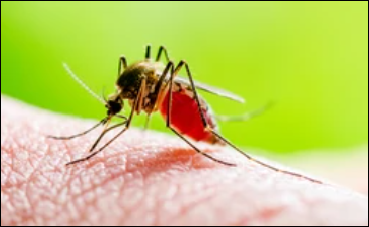
There is a very distinct looking insect, called the sand fly, that is the only known source for infecting humans with Leishmaniasis.
The sand fly is tiny, often being one fourth the size of a mosquito (or even smaller).
It is the female sand fly that infects the person through its bite, and many people do not even realize that they are being bit by the sand fly, because this insect is very quiet and its bite can be very small and painless.
Sand flies are usually the most active in the evenings or night time hours (between dusk and dawn).
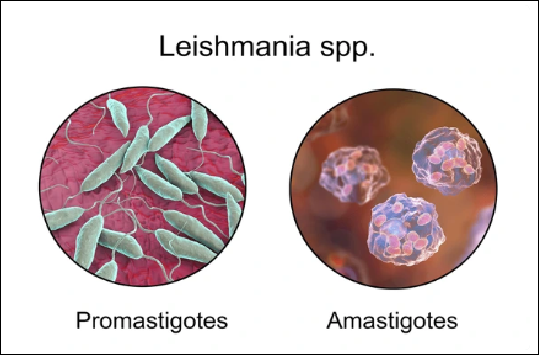
The sand fly injects the Leishmani parasite into a person’s skin when it bites the person, which is how the parasite enters the person’s body and begins to attack the tissue and cells around it.
Does a Sand Fly Bite Always Cause Leishmaniasis?
No. Not all sand flies carry the Leishmani parasite, so not every bite from a sand fly will cause Leishmaniasis.
There are also many times when a sand fly may inject the Leishmani parasite into a person’s skin, but the person has a strong enough immune system to fight against the parasite so that no symptoms develop and parasite is not able to do any damage.
It is only a small number of people who are bit by sand flies who ever develop an infection or have symptoms of Leishmaniasis. So you do not need to rush to the doctor or worry at all when you are bit by a sand fly. The only time you need to be concerned is if the bite area begins to show signs of swelling in the days the follow.
Is Leishmaniasis Contagious?
No, cutaneus leishmaniasis is not contagious from person to person. It requires a sand fly bite to inject the parasite into a person’s body. It cannot spread without this kind of injection.
However, other forms of Leishmaniasis (especially the visceral leishmaniasis) have been known to be passed on to other people through contaminated needles (such as in cases of blood transfusions), and there have also been cases where a mother passed on Leishmaniasis to her baby during childbirth. So it is possible that the infection could be spread in other ways, these forms of spread are much more rare.
If more than one member of a family or community has Leishmaniasis, most often it is because all these people were bit by the sand flies and not because it spread from person to person.
Who Is At Risk of Getting Leishmaniasis?
People of any age or gender are equally at risk if they go to areas where Leishmaniasis exists.
Leishmaniasis is often referred to as a “poor man’s disease” because the people who are most at risk of getting Leishmaniasis are the people who are malnourished, living in poor housing areas, living in unsanitary conditions, or people who have weak immune systems.
It is more likely to occur in rural areas, not so much in the cities. A person is also more likely to be infected with Leishmaniasis if they are going out in the evenings or after dark, since that is when the sand flies are most active.
Can You Get Reinfected?
Yes. You can still get Leishmaniasis even even you had it in the past and recovered. You can get infected as many times as you get bit by the sand flies. The body does not build an immunity to the infection.
Is Leishmaniasis Serious or Life Threatening?
Yes. Any form of Leishmaniasis can be serious, especially if left untreated.
The visceral and mucosal types of Leishmaniasis are the most serious and need to be treated immediately. These forms almost always lead to death if the person does not receive treatment quickly.
The cutaneous type of Leishmaniasis is not usually deadly, and has the potential
to go away on its own, but this process usually takes between 12 months to 2 years,
and almost always leaves very large, permanent scars and deformities. It also has
the potential of becoming mucosal, which would then make it life-
All forms of Leishmaniasis need to be treated AS SOON AS POSSIBLE!
Complications
Leishmaniasis is especially dangerous if complications set in (which are most common with the visceral and mucosal types, but can happen in any type).
One common complication that is common with all types of Leithmaniasis is a secondary bacterial infection, which basically means that the person can get another infection at the same time as having Leishmaniasis. This is because the person’s immune system is low, and the open wounds on the body can easy become infected with other germs, leading to other conditions besides the Leithmaniasis. Bacterial infections, like Staph Infection are very common complications in all types of Leithmaniasis.
Other complications can include:
– Severe scarring
– Permanent deformities
– Relapse (called leishmaniasis recidivans)
– Infection of internal organs (in cases of visceral and mucosal)
– Jaundice
Mucosal leishmaniasis can also lead to complications like:
– Difficulty breathing
– Stuffy nose
– Frequent nose bleeds
Visceral leishmaniasis can also lead to complications like:
– Abnormal blood tests
– Swelling of the liver or spleen
– Low blood counts (such as low white blood cell count, low red blood cell count, and low platelet count).
– PKDL (which stands for Post kala-
– Severe bleeding
– Organ damage (caused by a dangerous condition called hemophagocytic lymphohistiocytosis)
– Sepsis, which is a type of blood poisoning caused by infection.
– Cyanosis (low oxygen in your blood that causes the skin, lips, or nails to turn blue).
Is Leishmaniasis Curable?
Yes, it is possible to cure Leishmaniasis, but it can be very difficult. It is always best to seek help, if possible, for treating this kind of infection.
How well a person will recover from Leishmaniasis depends a lot on which type they have, how early they detect it, how soon (and how aggressively) they begin treating it, and the condition of the person’s immune system (whether it is weak or strong)
According to the WebMD Website . . .
“There are many ways to treat cutaneous leishmaniasis, including low-
“Mucocutaneous leishmaniasis. Fluconazole is an effective way to treat mucocutaneous leishmaniasis, but it comes with some serious side effects. Other drugs, such as the antifungal agents itraconazole and ketoconazole, can also treat this condition.”
“Visceral leishmaniasis. Liposomal amphotericin B is the go-
Other Conditions That Could Be Confused with Leishmaniasis
There are other conditions that can be similar in appearance to Leishmaniasis, these include:
– Sporotrichosis
– Skin Cancer
– Skin Ulcers
– Angiolymphoid Hyperplasia
– Erysipelas
– Dermatitis
– Verruca
– Herpes Zoster
How to Help Someone With Cutaneous Leishmaniasis
If at all possible, take the person to a healthcare provider. Leishmaniasis is not an easy condition to treat, and can be serious, and even life threatening, if not treated properly.
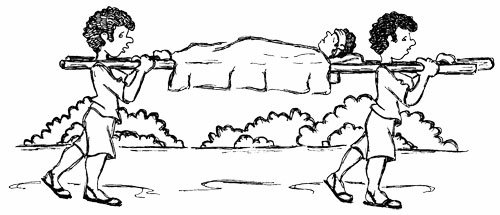
If taking the person to a healthcare provider is not an option, you can find below, a list of things that have been known to help treat the cutaneous type of Leishmaniasis.
READ THIS FIRST !!!
Before you begin treating someone who has Leishmaniasis, there are a few things you need to know about the treatment process, if you hope to be successful.
1) The treatments listed below are specifically for the cutaneous leishmaniasis, and may or may not work with other forms of Leishmaniasis.
2) Leishmaniasis is a condition caused by parasites that are able to adapt (make changes in their cell structure) to protect themselves. This means that a treatment can begin to work in the beginning, but then the parasite changes and becomes resistant to the treatment, so that what you are using to treat the infection only helps for a little while and then does stops working.
The best way to keep the parasites from adapting and becoming resistant to the treatments is to use many different treatment options, and to alternate between them, changing the way you are treating the infection so that the parasites can not adapt to what you are using.
3) Keep a watch for secondary infections, and treat them as soon as possible. Leishmaniasis often infects people who have low immune systems, and the open wounds that the Leishmaniasis causes on the skin can easily allow other germs and other disease to enter the body. Staph infection is very common in people who have Leishmaniasis, so keep a watch for signs and symptoms of staph infection, and any other infection or disease that the person may develop in addition to the Leishmaniasis.
4) A person who is getting good nutrition and has a strong immune system is much more likely to heal quickly, and completely, from Leishmanaisis. So a big part of the treatment needs to be providing the person with good nutritious food and helping to strengthen their immune system.
5) The parasite that causes Leishmaniasis may still be living in the person’s body
even after all the wounds have healed and the person seems to have recovered. If
the person seems to have made a full recovery, but the parasite is not completely
gone from the person’s body, the infection can come back and the wounds will begin
to form again. To prevent this from happening, the person needs to continue taking
treatments, and treating the area where the wounds were, for at least 2-
MOST IMPORTANTLY
If you are going to be successful in treating cutaneous leishmaniasis you need to treat more than just the wounds!
A complete treatment for Leishmaniasis MUST include:
1) Strengthen the immune system. Giving the person First Resistance is a very good place to start in strengthening the immune system. Probiotics, vitamins, minerals, and nutritious foods are also important.
2) Use heat (not hot enough to burn the person) on the wounds. Soaking the wounds with hot water (but not too hot to burn the person) for 10 minutes, morning and evening, is very effective in speeding up the healing process. The leishmania parasite can not survive very well when exposed to heat.
3) Apply Petroleum Jelly around the wounds on the part of the skin that is NOT infected. Let is soak in for a few minutes before applying any treatments directly to the wounds.
4) Keep the wounds clean, and frequently apply whatever external treatments you are able to use from the list below.
5) Take medicines or natural remedies internally that can enter the bloodstream and fight the parasites from inside the body. (Just treating the wounds on the skin is not enough to get rid of the infection – you have to treat the whole body!)
Plants and Remedies for Leishmaniasis
Artemisia / Wormwood (azadirachta indica)
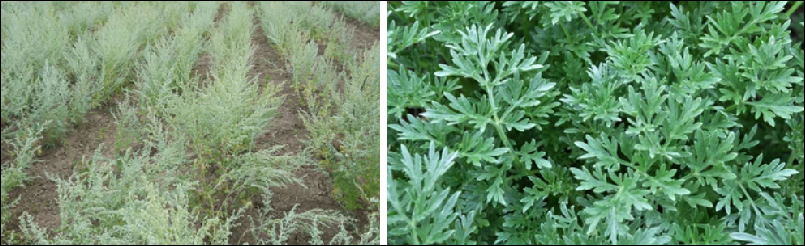
Artemisia (also commonly called Wormwood) is perhaps the most researched and documented plant used for treating Leishmaniasis, which makes it a good option to start with. It is a common ingredient in malaria treatments (another condition caused by parasites), and has shown signs of being effective in treating Leishmaniasis, as well.
Neem (azadirachta indica)
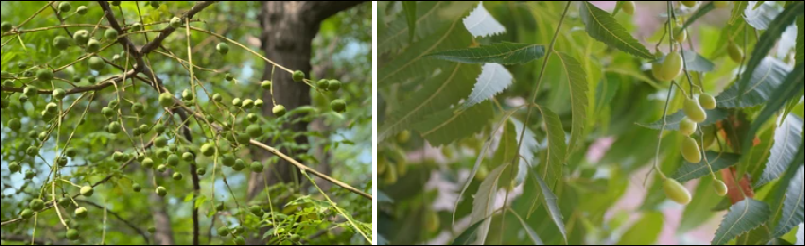
Neem is a very common plant in traditional African medicine, and is perhaps the most commonly used alternative remedy for Leishmaniasis.
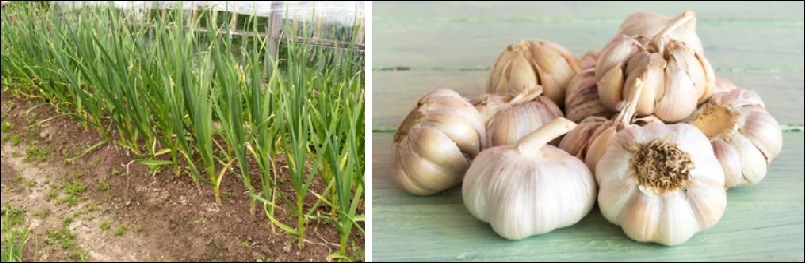
Garlic (allium sativum)
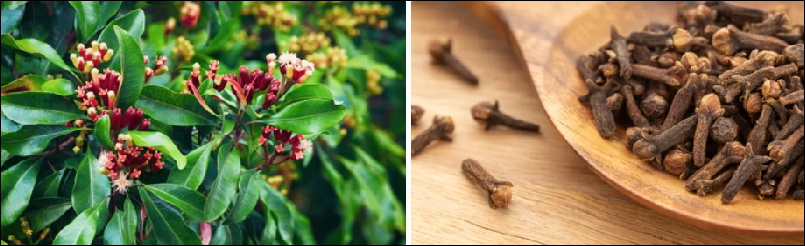
Cloves (syzygium aromaticum)
English Walnut (juglans regia)
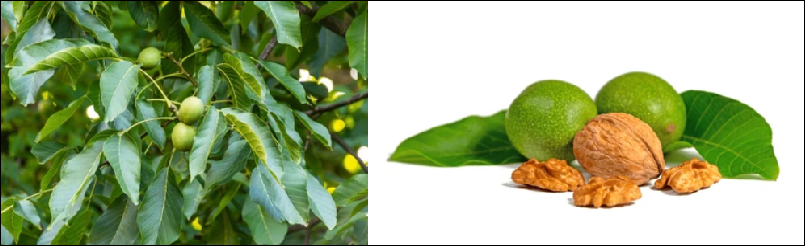
I was specifically looking for information about Black Walnut (juglans nigra), which is a commonly used remedy for worms and parasites, but I was not able to find any research to support the use of Black Walnut in the treatment of Leishmaniasis. I have, however, found documentation saying that English Walnut (juglans regia) may be effective in treating Leishmaniasis.
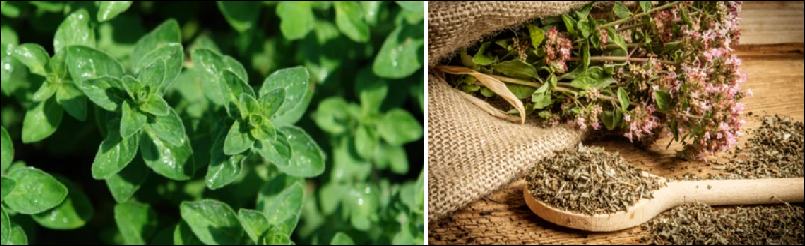
Oregano (origanum vulgare)
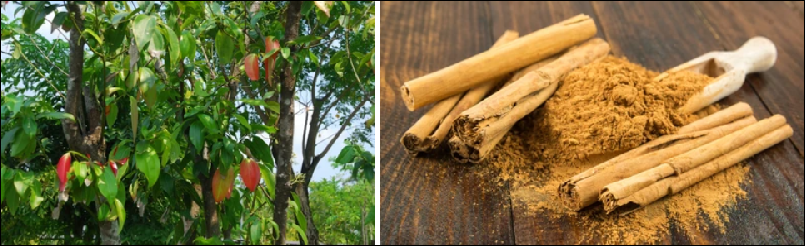
Cinnamon (cinnamomum verum)
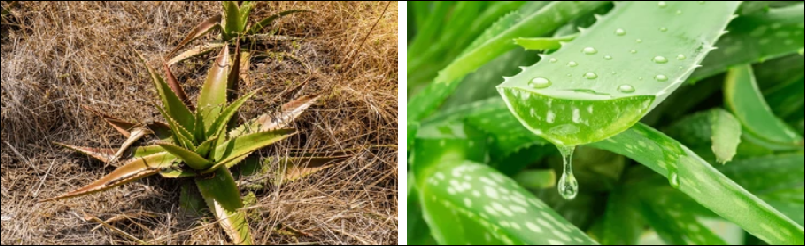
Aloe Vera (aloe barbadensis miller)
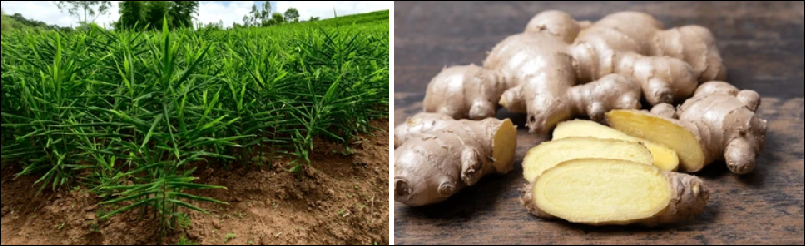
Ginger (zingiber officinale)
Coconut Oil
Chlorophyll
Vitamin C (ascorbic acid)
Vitamin E (alpha-
B Vitamins
There are eight types of vitamin B, and they all work closely together: B1 (thiamin), B2 (riboflavin), B3 (niacin), B5 (pantothenic acid), B6 (pyridoxine), B7 (biotin), B9 (folate/folic acid), B12 (cyanocobalamin).

Definition of Words
Cutaneous Leishmaniasis – The scientific name for the Tropical Sores that are caused by a kind of parasite called Leishmania. There are more than 20 types of Leishmania parasites, and they can cause at least 4 different kinds of Leishmaniasis – the most common one being cutaneous leishmaniasis.
Sources
https://my.clevelandclinic.org/health/diseases/24539-
https://www.cdc.gov/leishmaniasis/about/index.html
https://www.webmd.com/skin-